TV Čorba: when an introduction becomes a parade of titles
The host’s self-deprecating humour and Game of Thrones comparison raise a precise question: what does a list of titles tell the audience beyond their sheer number?
If the video does not start after pressing Play, reload the player. This resets playback to the beginning.
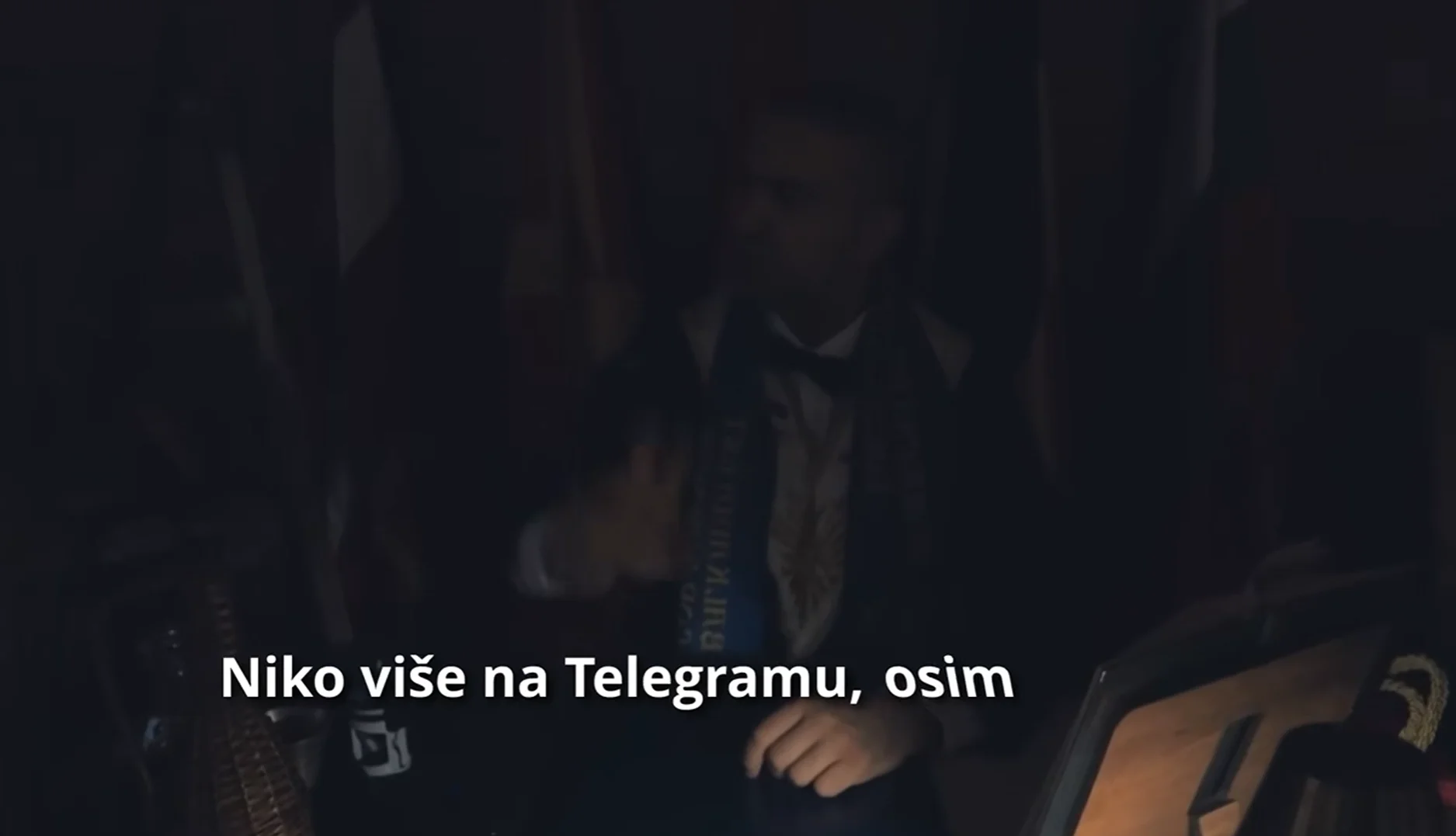
Source as identified by the user: TV Čorba on B92, the Rumble clip and a supplied automatic transcript. The text has not been checked against the audio. It has no timestamps or speaker labels; roles are inferred from context. The broadcast date and completeness of the clip remain unconfirmed.
Open the video on RumbleDo you support the views expressed in this video?
You are rating the views expressed, not the usefulness of the post or analysis. Votes do not verify facts. Click again to remove your vote.
Loading…
Comments
Criticism of our work is welcome. Insults, threats, personal data and calls for harassment are not allowed. An editor reviews every comment before publication.
Selected transcript passages — summarized by role
These are editorial paraphrases, not a complete transcript or verbatim quotations. Speaker attribution has not been checked against the audio. Unclear titles have not been reconstructed, and no timestamps have been invented.
Satirical programme host
Contrasts a brief everyday introduction with his own deliberately extended list of personal attributes and professional roles, which would sound pretentious.
Speaker in the inserted interview
Gives the guest’s biography and asks about his offices in the “secret world”.
Dragan Tojagić — inferred from context
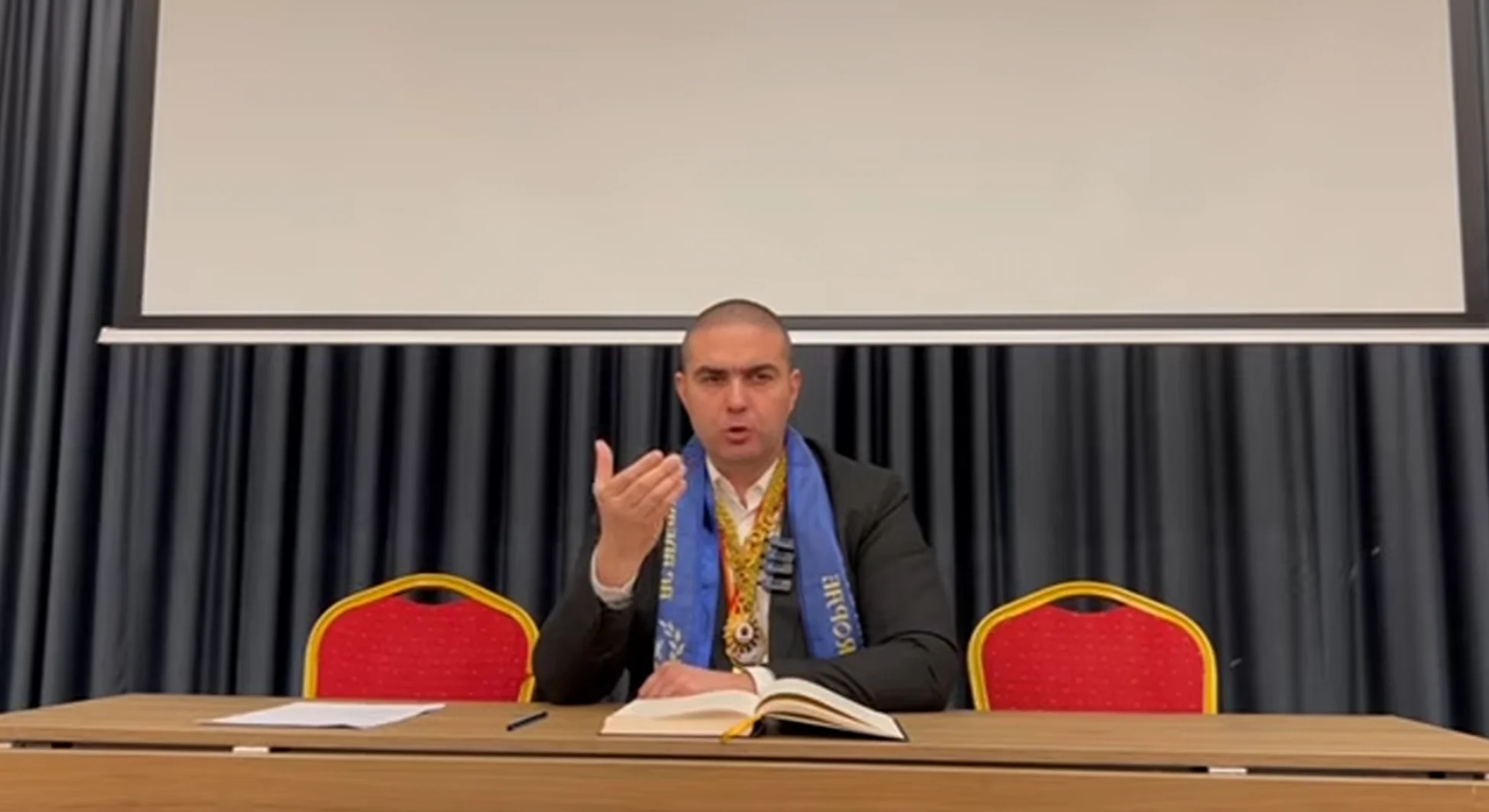
Lists several positions in lodges, councils and orders. Some titles are not reliably readable in the automatic transcript.
Programme’s satirical commentary
Adds fictional royal titles and dragon imagery, explicitly mentioning Game of Thrones. This is parody, not a continuation of the guest’s list.
Satire targets the presentation — verification asks what the titles mean
An ordinary question, an unusually long answer
The host starts with an everyday introduction: a name and occupation usually suffice. He then deliberately expands his own introduction with personal and professional attributes, acknowledging that this would sound pretentious. The joke begins at his own expense before turning to the guest. It establishes a contrast between a simple introduction and an elaborate display of personal importance.
Who supplies the biography, and who lists the offices?
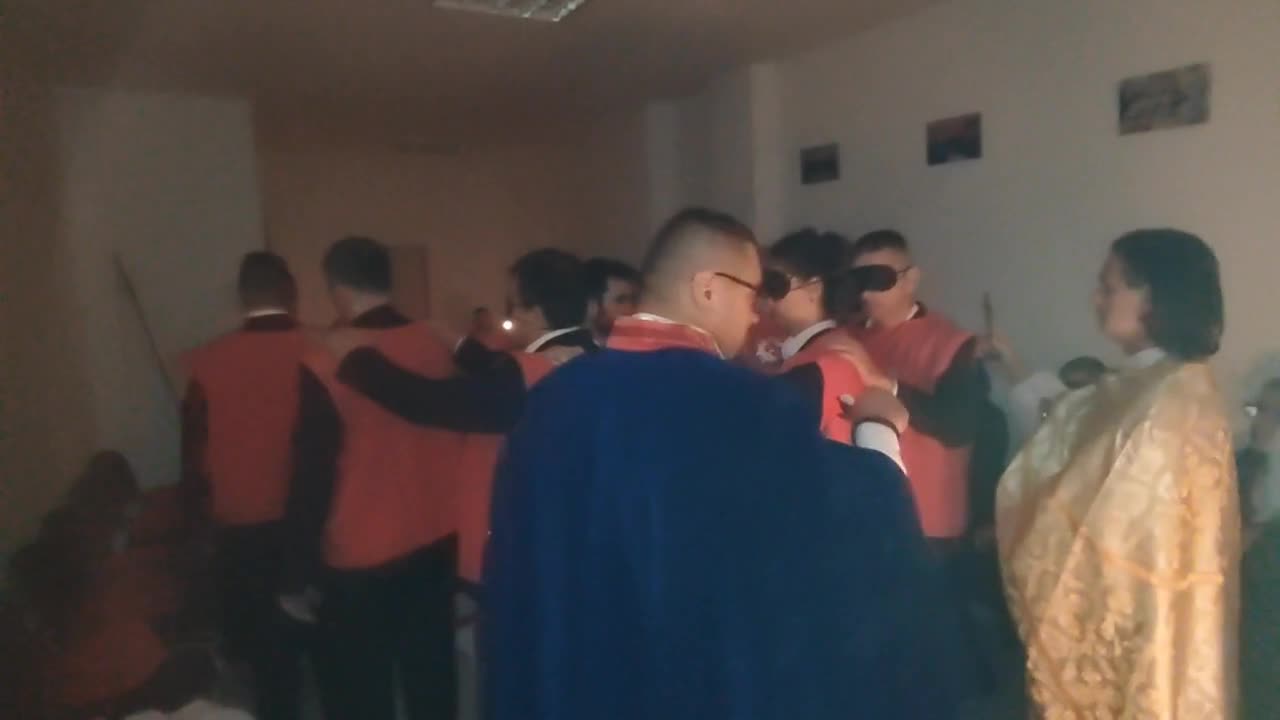
In the inserted interview, another speaker gives a biographical introduction and asks Tojagić about his position in the “secret world”. The response then lists offices such as lodge leader, grand master and supreme commander, followed by titles partly garbled in the transcript. It would be inaccurate to attribute the entire biographical introduction to Tojagić’s self-praise. He was explicitly asked about his offices. The manner and length of his response can be criticized without inventing an unsolicited recital.
Why the Game of Thrones comparison works
The satirical commentary shifts to a throne, the Andals, the Seven Kingdoms and the father of dragons. The transcript explicitly names Game of Thrones. Our editorial view is that the satire is justified as criticism of a pompous presentation: it takes the rhythm of increasingly exalted titles and extends it into fiction. These are not additional claims made by Tojagić. Saying he actually introduced himself as a king or father of dragons would misrepresent the segment.
The number of titles does not explain authority
A series of offices may suggest substantial power, but does not establish who awarded them, under which rules, what powers they confer or who recognizes them outside the organizations concerned. Internal office and independently demonstrated expertise are different things. Even an authentic organizational title does not establish knowledge of every subject. This is where satire can lead to serious inquiry: instead of another title, ask for an explanation and a verifiable basis.
What the segment shows, and what remains open
According to the supplied text, the segment shows how hierarchical self-presentation can become material for satire. It does not prove that all the offices are invented, that the organizations do not exist or that the guest committed fraud. A satirical programme selects an excerpt and a framing; this matters when assessing the whole interview. Garbled titles are therefore not presented as reliable quotations. Factual conclusions require the original conversation, audio verification and documents concerning the specific offices.
The useful question after the laughter is: what can be independently verified behind each title? If an introduction is meant to establish trust, names should be accompanied by clear powers, accountability and evidence. Satire opens that question; an even longer list of titles cannot answer it.
Was this analysis useful?
Reader reactions do not verify the analysis. Click again to remove your vote.
Loading…
Comments
Criticism of our work is welcome. Insults, threats, personal data and calls for harassment are not allowed. An editor reviews every comment before publication.
Earlier reactions: usefulness of the TV Čorba post
These earlier votes rate the post’s usefulness, not support for the speaker. The new rating of views in the video has separate votes.
Was this post useful?
Reader reactions do not verify the analysis. Click again to remove your vote.
Loading…
Comments
Criticism of our work is welcome. Insults, threats, personal data and calls for harassment are not allowed. An editor reviews every comment before publication.